
A Brief History of the Written Word
Writing has not always been accessible to everyone. It was independently invented thousands of years ago in multiple regions across the world, emerging as symbolic protowriting systems in Mesopotamia, Egypt, China, and Mesoamerica. Literature as we know it today was developed around the 24th to 23rd centuries BCE in the Sumerian language.
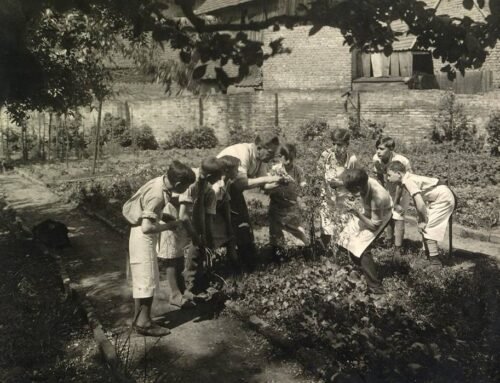
For centuries, literacy remained a strict privilege. It wasn’t until the Industrial Revolution that reading began to truly democratize. During the Enlightenment era, reading transformed into a deeply reflective practice, allowing individuals to escape into textual exploration and actively participate in civic society. (Though, at the time, some critics worried that women who read were escaping their household responsibilities and crossing moral lines!) Today, reading has broken those barriers: it belongs to everyone.
More Than an Exercise: A Family Cultural Event
According to neuroscientist Dr. Michel Desmurget, reading is one of the most valuable economic and developmental investments we can make for our children. But there is a common trap to avoid: learning to read is not just about learning to decode letters.
When we stop reading aloud to our children simply because they have mastered how to string words together on their own, we miss the point. Sustained family reading should remain a premium ritual for as long as possible. Why? Because books introduce a level of linguistic richness, varied vocabulary, and complex grammatical structures that we rarely use in everyday oral speech. By reading together, we dive into the deeper meaning of words and turn literacy into a warm, shared, social activity.
The Superpowers of Reading on the Brain
Regularly sharing books with your child does far more than expand their vocabulary. This precious ritual:
- Boosts creativity, imagination, and abstract thinking.
- Nurtures emotional and social intelligence by helping them understand different characters’ perspectives.
- Organizes cognitive thoughts, creating a strong foundational blueprint for all other domains of future learning.
How Young Children Learn to Read
In my pedagogical approach at Le Marmouset, I follow a logical, structured, and reassuring sequence for the child: the syllabic method.
The child’s mind processes this step-by-step:
- Identification: The child discovers a letter and its matching phonemic sound.
- Association: They learn how to combine these individual sounds to form syllables.
- Assembly: By blending syllables together, the child constructs whole words.
This structural progression is effective because it systematically reduces the child’s mental workload. By automating the mechanical “decoding” part of reading, their cognitive energy is freed up to focus entirely on what matters most: the joy of understanding the story. But like everything in life reading is a practice and take time, so keep reading with your child for as long as you can!